Knockdown Rebuild In Canberra: Is It Worth It In 2026?
You've lived in your home long enough to know every quirk — the low ceilings, the awkward floor plan, the bathroom that hasn't been touched since the 80s. You love the street, the neighbours, the school down the road. But the house itself? It's not working anymore. If this sounds familiar, you're probably not the only one in your suburb quietly wondering whether it's time to tear down and start fresh.
The knockdown rebuild path is gaining serious traction across Australia and for good reason. Rather than navigating the compromises of a renovation or uprooting your life to find a better property in a hot market, a knockdown rebuild lets you keep what matters — your location — while building exactly the home you want from the ground up. It's not the right move for everyone, but for the right block and the right household, it can be a genuinely smart decision in 2026.
Here's what you actually need to know before making up your mind.
What Is a Knockdown Rebuild & How Does It Work?
At its core, a knockdown rebuild (or KDR) is exactly what it sounds like: your existing home is demolished and a brand-new custom home is built in its place on the same land. You're not buying a new block, you're not selling up and downgrading and you're not trying to gut-renovate a structure that may be fundamentally unsuited to modern living.
The process generally follows these steps:
- Site assessment: a builder and surveyor evaluate your block's suitability, including slope, orientation, soil type and any easements or overlays that might affect the design
- Design & planning: working with custom home builders to create a home that fits your block, your lifestyle and your budget
- Demolition: your existing home is removed and the site is cleared and prepared
- Construction: your new home is built to the agreed plans, from slab to lock-up and beyond
- Handover: once the build is complete and all inspections pass, the keys are yours
The timeline varies, but most projects run between 12 and 24 months from initial consultation to moving day, depending on design complexity and approval timelines.
Why People Choose KDR Over Renovating
Renovation is often the first thing homeowners consider and it makes sense — you already own the property, you know the space and it feels less dramatic than demolition. But renovations come with real limitations that are easy to underestimate.
Structural constraints are a major factor. Older homes often have layouts that can't be meaningfully changed without significant cost, particularly when load-bearing walls, narrow hallways or shallow ceiling heights are involved. You can update the kitchen, but you can't change the bones.
There's also the hidden cost problem. Renovation quotes rarely account for what contractors find once walls are opened up — outdated wiring, deteriorating plumbing, asbestos materials or moisture damage. Budgets blow out quickly and the final result can still feel like a compromise.
A KDR, by contrast, gives you:
- A home built to current energy efficiency standards (NatHERS ratings, insulation, glazing)
- Full warranty coverage under the relevant state building legislation
- A layout & design that actually suits how your family lives today
- Modern infrastructure — plumbing, electrical, NBN-ready cabling — from day one
- Greater long-term value compared to a heavily patched older home
For many households, the math simply works out better with a KDR, particularly when the alternative is years of staged renovations that never quite get the house where they want it.
Understanding the Knock Down Rebuild Cost in Canberra
Cost is where most people want specifics and it's fair enough — this is a major financial commitment. The knock down rebuild cost in Canberra varies based on block size, design complexity, finishes level and site conditions, but here's a general framework to work from.
Demolition of a standard residential home typically runs between $15,000 and $35,000, depending on the size of the structure and any hazardous material management required (asbestos is common in pre-1990 homes). Site preparation, including excavation, levelling and slab work, adds further to that figure.
New construction costs for a custom home are generally quoted per square metre, with prices ranging broadly based on the specification level:
- Entry-level custom build: from around $2,000–$2,500/m²
- Mid-range custom build: $2,500–$3,500/m²
- Premium or architecturally designed: $3,500/m² and above
A well-specified family home in the 250–350m² range would typically land somewhere between $600,000 and $1.2 million in total construction cost, excluding land. That figure needs to sit alongside an honest look at your existing property value, your suburb's median sale prices and what comparable new builds are fetching — which, in many established areas, is significantly more than an older home on the same street.
The ACT Demolition Permit Process
Before a single wall comes down, there are regulatory steps to work through. An ACT demolition permit is required for most residential demolitions and getting the paperwork right from the start saves significant time and headaches later.
The permit process in the ACT involves:
- Development Application (DA) lodgement: lodged through the ACT Planning authority, including site plans, demolition scope and any heritage or tree considerations
- Hazardous materials assessment: mandatory for homes built before 1990 to identify asbestos, lead paint or other materials requiring licensed removal
- Utility disconnection approvals: obtained from ActewAGL and Icon Water before demolition commences
- Demolition licence: held by the demolition contractor — this is a legal requirement in the ACT and the contractor must be appropriately licensed
An experienced builder handling your KDR project will typically coordinate this process on your behalf, but understanding what's involved helps you plan timelines and avoid surprises. From DA lodgement to permit approval, allow four to eight weeks for straightforward residential sites.
Designing Your Custom Home: Where the Real Value Lives
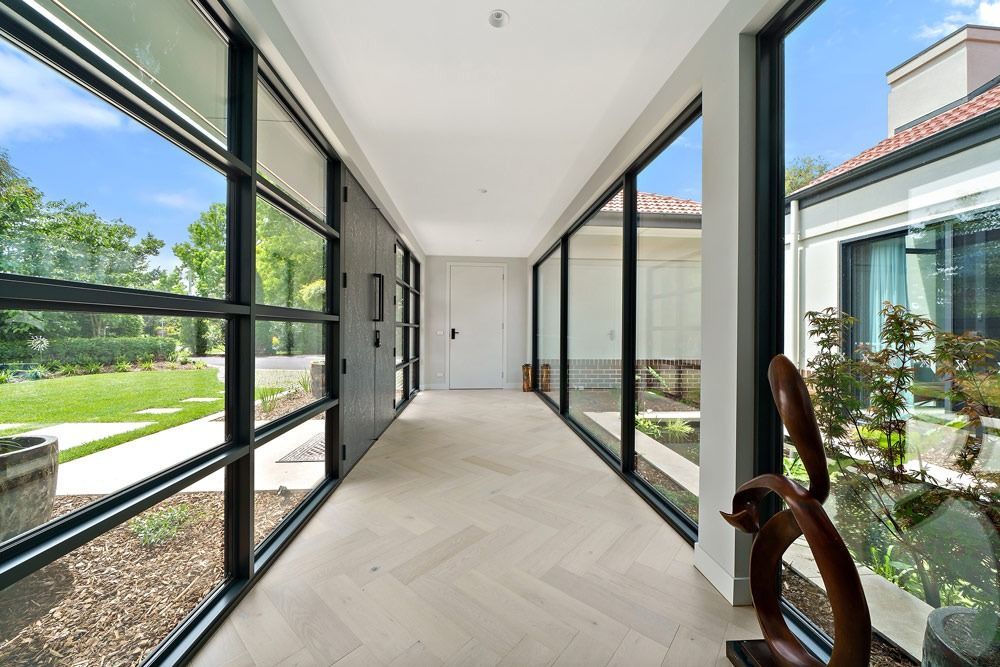
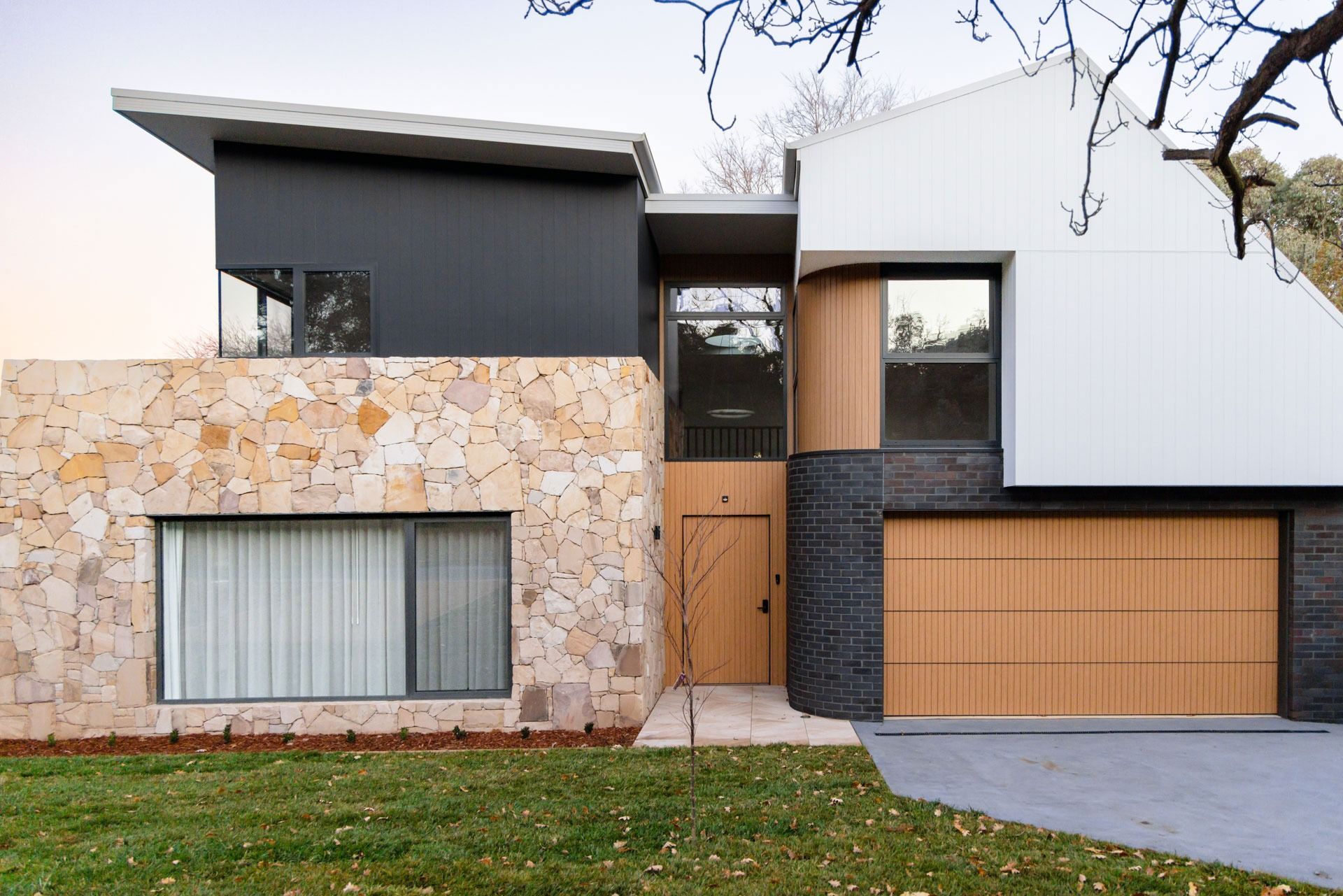
One of the most underappreciated aspects of working with custom home builders on a KDR is the design freedom. You're not choosing from a fixed catalogue of facades and floor plans — you're working with a design team to create something that genuinely fits your block and your life.
That means you can specify:
- Orientation-led design: this maximises passive solar heating in winter and cross-ventilation in summer — particularly valuable in a climate with genuine seasonal extremes
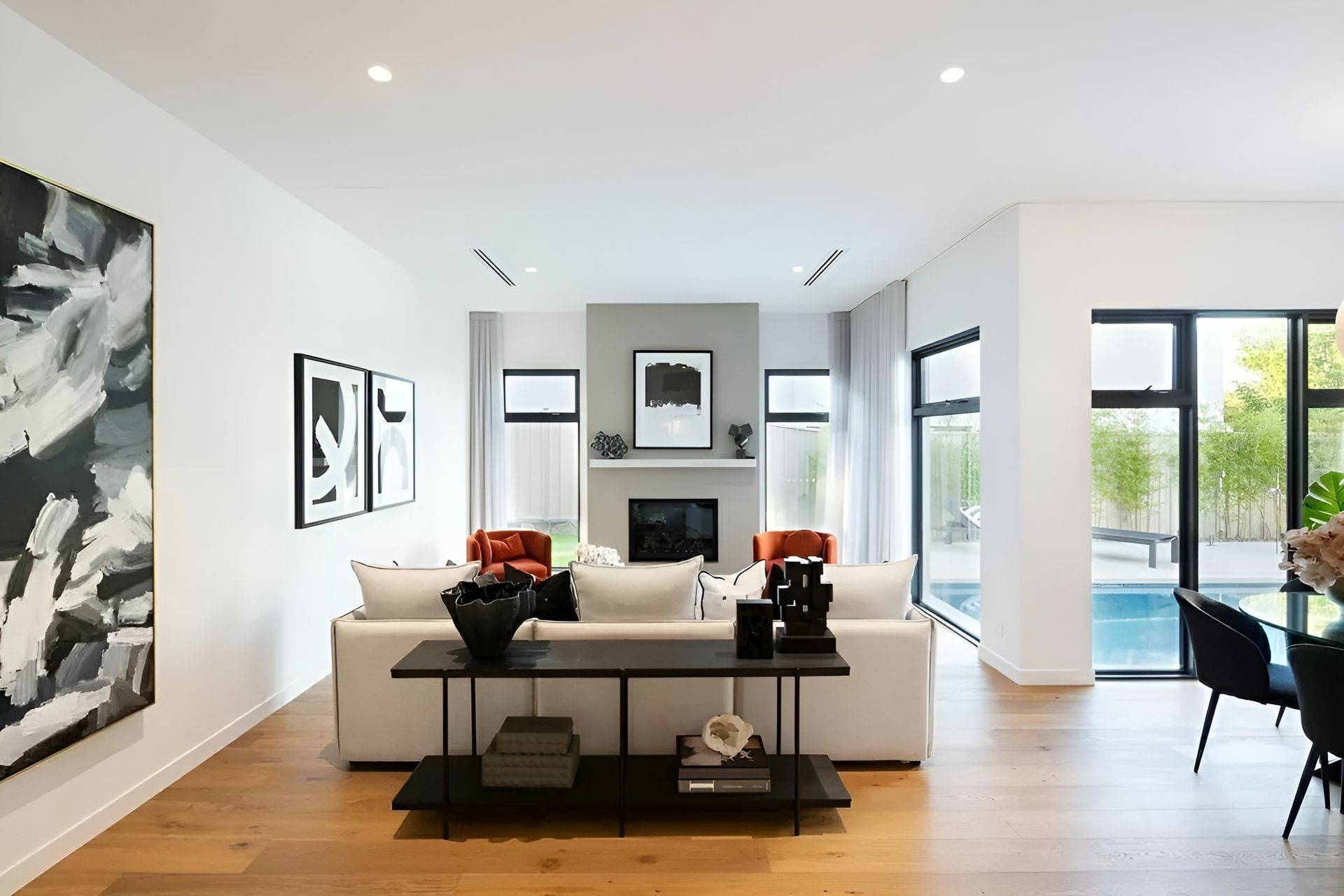
- Floor plans that match your lifestyle: open-plan family living, dedicated home offices, multi-generational layouts with separate entries or wing separation
- Facade design: assimilating with the streetscape while expressing your own preferences
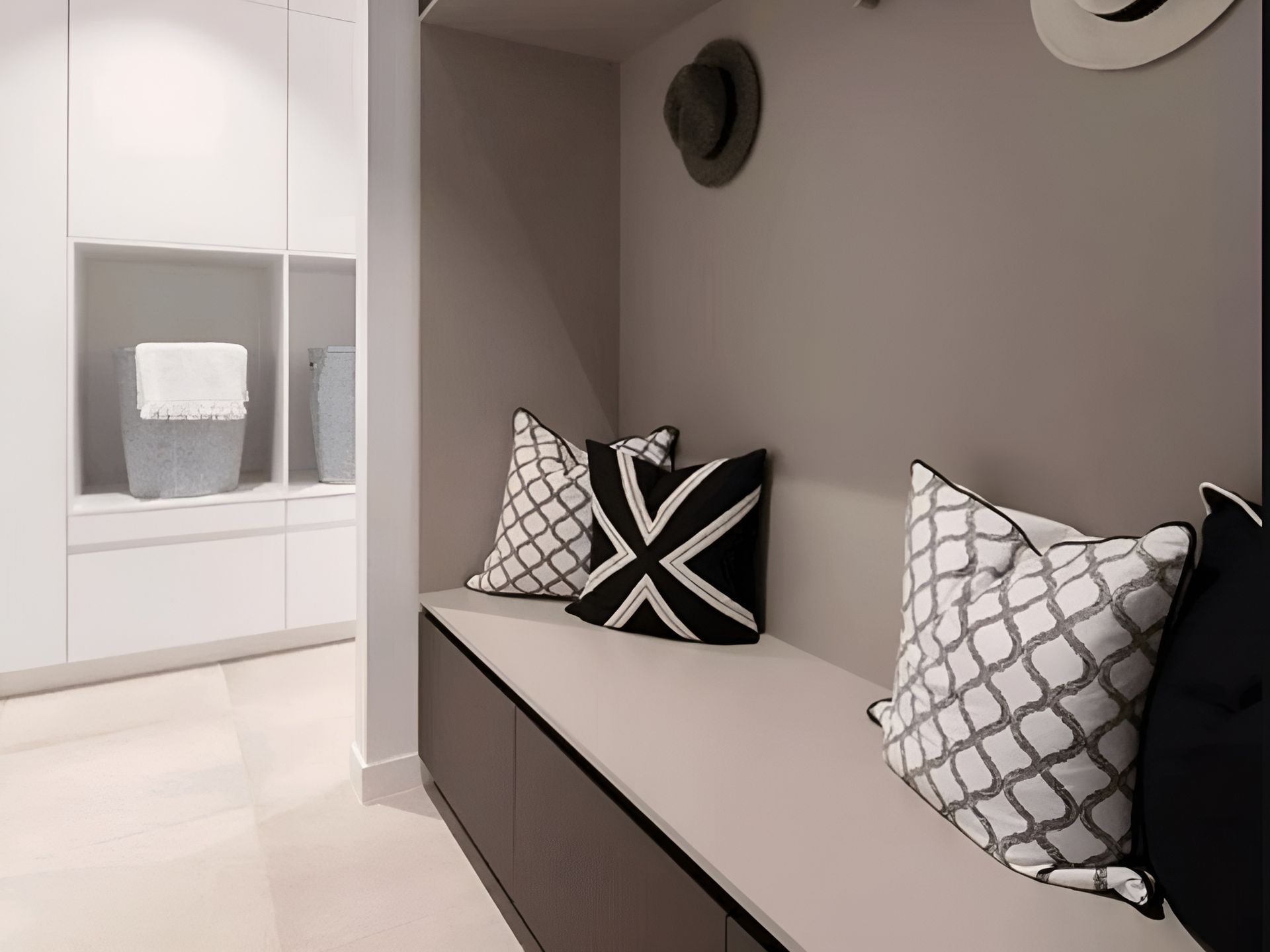
- Material & finish selections: balancing aesthetics with durability and maintenance requirements
Working with custom home builders in Canberra who do their own in-house design (rather than outsourcing to a third party) tends to produce better results and fewer communication gaps between what you imagined and what gets built.
What Makes a Block Suitable for KDR?
Not every property is equally well-suited to a knockdown rebuild, so a preliminary site assessment is worth doing early in the process.
The factors that matter most include:
- Block size & shape: a minimum of around 450m² is generally workable, though smaller blocks can still suit well-designed compact homes; irregular shapes may limit design options
- Slope & orientation: steep blocks add cost (retaining walls, cut-and-fill earthworks) but can also enable split-level designs with great outlooks
- Easements & overlays: storm water easements, heritage overlays or flood mapping can restrict building envelopes
- Soil type: reactive clay soils (common in many parts of Australia) require deeper or reinforced footing systems, which affects cost
- Existing services: the location of water, gas and electrical connections on your block influences where and how services are brought into the new home
A good builder will carry out a thorough site assessment as part of the initial feasibility process, flagging any constraints before you commit to the project.
Common Misconceptions About the KDR Process
A few things tend to trip people up when they're first researching a knockdown rebuild, so it's worth clearing the air on some common misconceptions.
- "I'll have to move out for years." — In reality, most KDR projects are completed within 12 to 18 months of construction commencing. Planning, design and approvals add time upfront, but the build phase itself is well-structured and milestone-driven.
- "Demolish and rebuild in Canberra means losing my land value." — The opposite is more often true — a new custom home on a well-located block typically commands a premium in the resale market compared to an ageing dwelling on the same land.
- "Custom means unaffordably expensive." — Custom home builders work across a range of budgets. Custom simply means designed specifically for your block and your brief — it doesn't automatically mean marble benchtops and imported tiles (though those options exist if you want them).
- "Council will block my DA.” — Straightforward residential demolitions and rebuilds on standard residential blocks are approved regularly. Issues arise when there are heritage listings, significant trees or unusual planning overlays — all of which a good builder will identify early.
How to Choose the Right Builder for Your KDR
Choosing a builder for a project of this scale deserves careful thought. A knockdown rebuild is a long-term relationship — from first consultation through to handover, you'll be working with your builder for the better part of two years.
The decision criteria worth focusing on include:
- Demonstrated KDR experience: ask to see completed projects and speak to past clients if possible
- In-house design & construction capability: reduces handoff risk and communication breakdowns
- Transparent pricing & contract terms: fixed-price contracts provide cost certainty; be wary of vague provisional sum allowances
- Responsiveness & communication style: how a builder communicates during the sales process is often a good indicator of how they'll communicate during construction
- Licence & insurance: verify the builder's licence with the relevant state authority and confirm they hold adequate public liability and home warranty insurance
Taking the time to compare two or three builders before committing is always worthwhile. A KDR is not a decision to rush.
Ready to Take the Next Step?
We at Complete Property Projects work with homeowners across the region who are ready to stop working around the limitations of their existing home and start building something genuinely suited to their life. Whether you're in the early stages of thinking through the feasibility of a KDR project or you've already decided and want to get moving, we're here to have that conversation honestly and without pressure.
Canberra presents some specific considerations for knockdown rebuild projects — from the ACT's planning and demolition permit requirements to the climate-driven design decisions that make a real difference to year-round comfort and running costs. We know this territory well and we bring that local knowledge to every project we take on.
If you'd like to understand whether your block is a good candidate, get a realistic picture of costs or simply learn more about what the process looks like from start to finish, reach out to our team. A conversation costs nothing and it might be the most useful hour you spend on this decision.